
Two ways into the same neighborhood knowledge
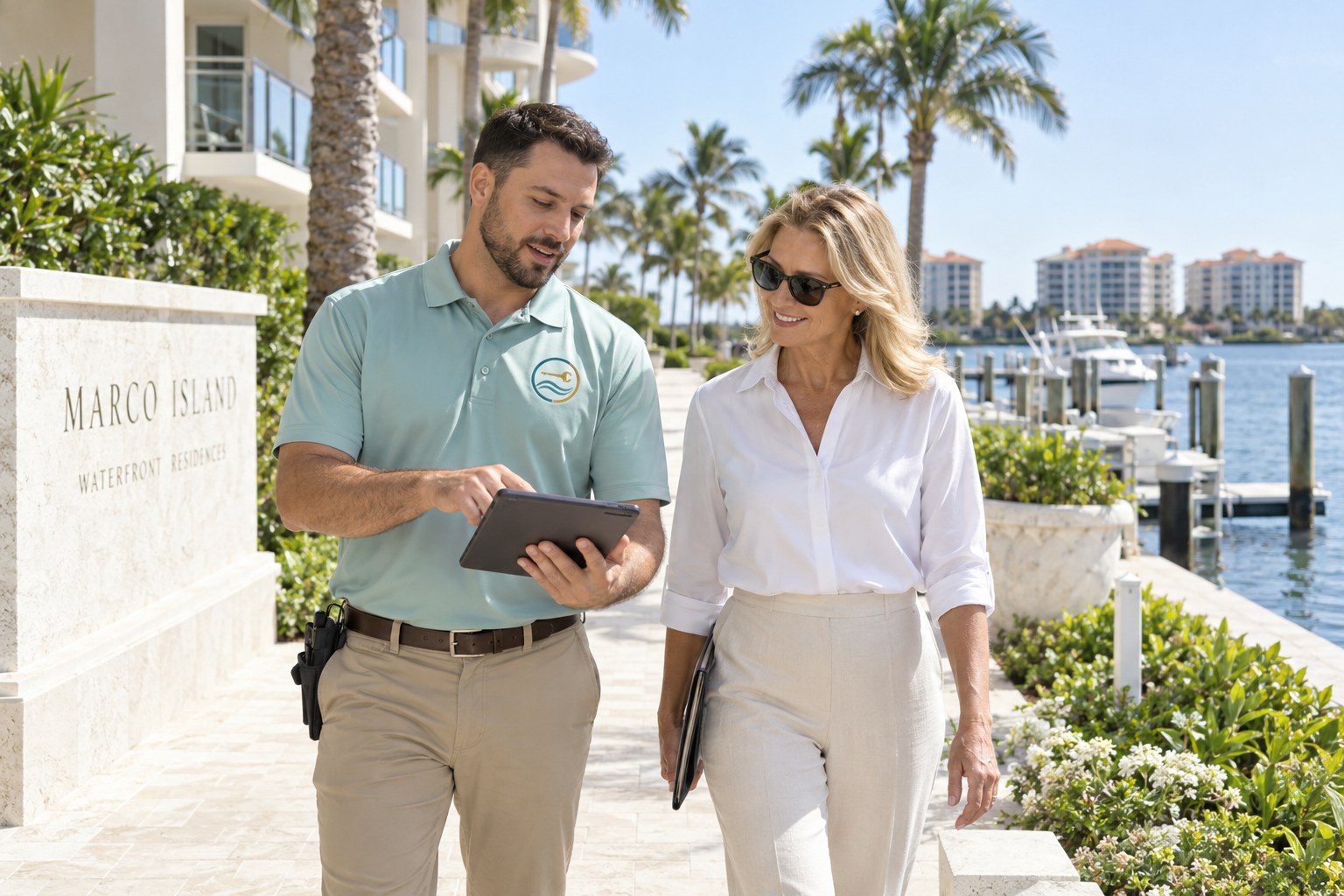
Collier County is not one place, and a locksmith who treats it that way tends to arrive with the wrong expectations. A gated golf community, a waterfront home on a canal, a condo tower with a front desk, and a stretch of acreage out toward Golden Gate Estates all ask different things of a door. That is why this hub gathers two kinds of pages together: area pages that describe how work usually goes in a given community, and guides that explain the decisions behind that work, so you can read whichever one fits your day. Whichever page you choose, you will find the same steady tone, because the point is to help you understand your options rather than hurry you toward one.
Area pages are the right starting point when you know where you are but not yet what you need. They talk about access, parking, association rules, salt air, and the way a typical call unfolds in that part of town, so you can picture the whole visit before you ever pick up the phone. Think of them as a short, unhurried conversation with a neighbor who has already walked down your street and noticed which gates stick and which doors swell. Along the way you will notice small recurring themes, such as humidity, seasonal households, and gated entrances, because those are the things that most often shape a call here.
Guides work from the other direction. They start with a situation, such as a lost key, a sticky deadbolt, or a house you have just bought, and walk through your choices in plain language, with no pressure to decide anything. The two sets are meant to be read together, and the cards above link to both, so you can move from a place to a problem and back again whenever it helps. Treat the area pages as a map and the guides as the notes written in its margins. Neither one asks anything of you except a few minutes of reading.
Choosing where to begin on this page
If you are reading this with a problem in front of you, begin with the area card that matches your community and skim it for anything unusual, such as guard gate procedures, condo approval steps, or a long rural driveway. Those details often change how a call is planned, and knowing them in advance saves a few minutes of back and forth when you describe your location, which matters most when you are standing outside and a little tired of the whole day. If your community is not listed by name, do not worry. Choose the card closest to it in character, and we will fill in the local details when we speak.
If you are reading ahead of any trouble, which is truly the best time to read, start with the guides. Hurricane season preparation, a key plan for seasonal residents, and the questions worth asking before you accept a quote all reward a calm afternoon rather than a stressful moment on the doorstep. A few quiet minutes now can make the next surprise feel much smaller and far easier to manage. Many people find it helps to jot down the lock brand, the door type, and the best place to park before dialing, so the conversation stays short and clear.
Either way, nothing here replaces a conversation. Call us to confirm availability for your location, and describe the lock, the door, and who owns the property. Quotes are given by phone, and if a job turns out to be complicated, a technician visits and the service call charge is explained before anyone is dispatched. You stay in charge of the decision at every step, and we are glad to answer questions first. The same approach applies to every home, vehicle, and business we visit, whether it sits on a canal, inside a gate, or at the end of a long country drive.