
Standing outside a locked door is a poor moment to negotiate, which is exactly why a few questions on the phone are worth asking. This guide lists the questions that matter, explains what a straight answer sounds like, and shows how a clear quote is laid out before anyone is dispatched. Use it as a checklist while you are on the line.
Why the phone call is the best moment to ask
Most of the leverage you have as a customer exists before a technician is on the way. Once a van is in your driveway and the job is half done, it is awkward to ask questions and harder to walk away. On the phone you can compare, pause and decide without anyone standing over you. A reputable locksmith expects questions and answers them without irritation.
That is especially true in a place like Naples, where a lockout can happen at a condo tower garage, a gated community gate, a marina parking lot or a vacation rental with guests waiting. Stress makes people say yes quickly. Taking two minutes to ask a handful of clear questions keeps the decision in your hands and tends to produce a better experience for both sides.
You do not need to be an expert to ask good questions. You only need to know what a complete answer looks like. The rest of this guide gives you that. Keep it open on your phone or print it, and tick off each point as the dispatcher covers it. If any answer is vague, ask again, politely, until it is clear.
Who is answering and who is coming
Start with the simplest question: what is the name of the business, and will the technician arriving be from that same business? A clear answer is given in the first few seconds of the call. A greeting that is only a generic phrase about locksmith service, with no business name, deserves a follow-up question before you share your address.
Ask whether the dispatcher is the company or a middleman who hands the job to someone else. Neither answer is automatically wrong, but you deserve to know. If the call is passed to a technician, ask for that person's first name and whether the vehicle will be marked. Knowing who to expect lets you recognize the right person when they appear.
Also ask about the service area. A locksmith who truly serves Naples and Collier County can speak plainly about the part of town you are in, whether that is a Marco Island condo, a golf community near Estero or an acreage property out toward Golden Gate Estates. If the answers sound evasive about where they are located, take note and consider calling someone else.
What the service call charge actually covers
The single most useful question on any locksmith call is: what is the service call charge, and what does it cover? A service call charge is the cost of sending a technician and an equipped vehicle to your location. It is separate from labor and from parts. A straight answer explains that distinction without hesitation.
Ask whether that charge applies in every case, including when you decide to cancel after arrival and including when the technician cannot complete the job. Ask what happens if you change your mind while the vehicle is on the way. Different situations lead to different answers, and you want them spelled out before dispatch rather than argued over afterward.
On a simple opening, the quote can usually be given by phone once the dispatcher understands the lock. On a complicated job, such as a damaged deadbolt, a smart lock that has failed or a commercial door with unclear hardware, a technician visits and the service call charge is explained plainly before anyone is sent. If a dispatcher will not explain it, that is a signal to keep asking or to call elsewhere.
Questions that separate a clear quote from a vague one
A clear quote names what is included. Ask whether the figure covers labor, parts, the trip and any extra work, or whether those arrive separately. Ask what could change the amount once the technician sees the lock. An honest dispatcher will say that a damaged lock, a high-security cylinder or a hidden problem can alter the job, and will explain how that is handled.
Ask what the technician will do first. For a house lockout, the answer should sound like opening the door without damage if possible. For a car, it might involve a non-destructive entry method and a check of the vehicle. If the first answer is drilling or replacing the lock, ask why, and whether a gentler method will be tried before anything is destroyed.
Finally, ask whether the amount you are quoted will be confirmed again when the technician arrives and has examined the lock. A good technician reviews the situation, restates what the work will be, and waits for your agreement before beginning. You should never feel that a number was announced after the tools were already out and the door was already half taken apart.
- What is the business name and who is the technician
- What does the service call charge cover and when does it apply
- What is included in the quoted work and what could change it
- Will the quote be confirmed on site before work starts
Why a locksmith asks about ownership
Do not be surprised or offended when the dispatcher asks how you are connected to the property. For vehicles, homes and businesses, a responsible locksmith checks ownership or authority before opening, rekeying or programming. That question protects the person who really owns the property. It also protects you from being associated with an improper opening.
Be ready to explain who you are. For a home, that might be the name on a lease, a deed, a utility bill or a letter from a property manager. For a car, a registration or title and matching photo identification. For a business, an authorization from the owner or manager. You will not need to hand over documents on the phone, but you should know what the technician will ask to see on site.
If a company opens any door for anyone without asking a single question, that is not good service. It is a warning. A locksmith who skips these checks is a risk to every neighbor in the area. Ask what the ownership process is when you call. A clear, calm answer is a good sign, and it tells you what to have in your hands when the technician arrives.
Pressure tactics and what to do about them
Some callers feel pushed: told that the quote will only hold for a few minutes, told that the lock must be drilled or the door must be replaced, or told that other options do not exist. Real urgency does exist when someone is locked out in bad weather or a child is inside a car. But urgency is not a reason to skip a clear explanation.
If you feel hurried, slow the conversation down. Say, I would like that explained again, and listen to whether the dispatcher is patient. A professional will repeat details without annoyance. If you receive the same vague phrases each time, that tells you something. You can end the call and phone someone else, and you owe no explanation for doing so.
It also helps to have a second person involved when you can. A neighbor, a relative or a property manager can listen on speaker, jot down the name and the explained charge, and be a calm second set of ears. The point is not to treat every locksmith as a threat. It is to make sure that the decision is clearly yours and fully informed before any work begins.
Questions that apply to specific jobs
Different jobs raise different questions. For a car key replacement, ask whether the technician can cut and program the key at your location, what proof of ownership is required, and whether the key you receive will include a remote function. For a rekey, ask whether the existing hardware can be reused and how many new keys are included.
For a lock replacement, ask about the grade and finish of the hardware, how it will fit your door and whether the old lock can be reinstalled if you change your mind. For a smart lock, ask what the technician will do with the existing accounts and codes, and whether the lock will be reset so that previous owners cannot use it.
For commercial work, ask whether the technician will document which keys were cut, how many were issued and who received them. Businesses often need that record. For storm-related damage, ask whether a temporary securing measure is available so the property is protected until permanent repairs happen. Each of these questions turns a general quote into a specific, understandable plan.
What to write down during the call
It sounds simple, but writing down a few details during the call prevents most disagreements later. Note the business name given, the first name of the dispatcher, the description of the work, what was explained about the service call charge and the time of day you spoke. Even a few lines on the back of an envelope help.
If you receive a text or message confirming the visit, keep it. If the technician shows up and the details have changed, you have a record of what was discussed. You are not trying to catch anyone out. You are building a habit that protects you in the unlikely event of a misunderstanding, and a good locksmith will not mind that you took notes.
At the end of the call, repeat the key points back: the lock involved, the address, who will meet the technician and how the charge was explained. Saying them aloud lets the dispatcher correct a misunderstanding right away. It also signals that you are an attentive customer, which tends to produce attentive service. The whole exercise takes under a minute and can save a lot of frustration.
When the technician arrives
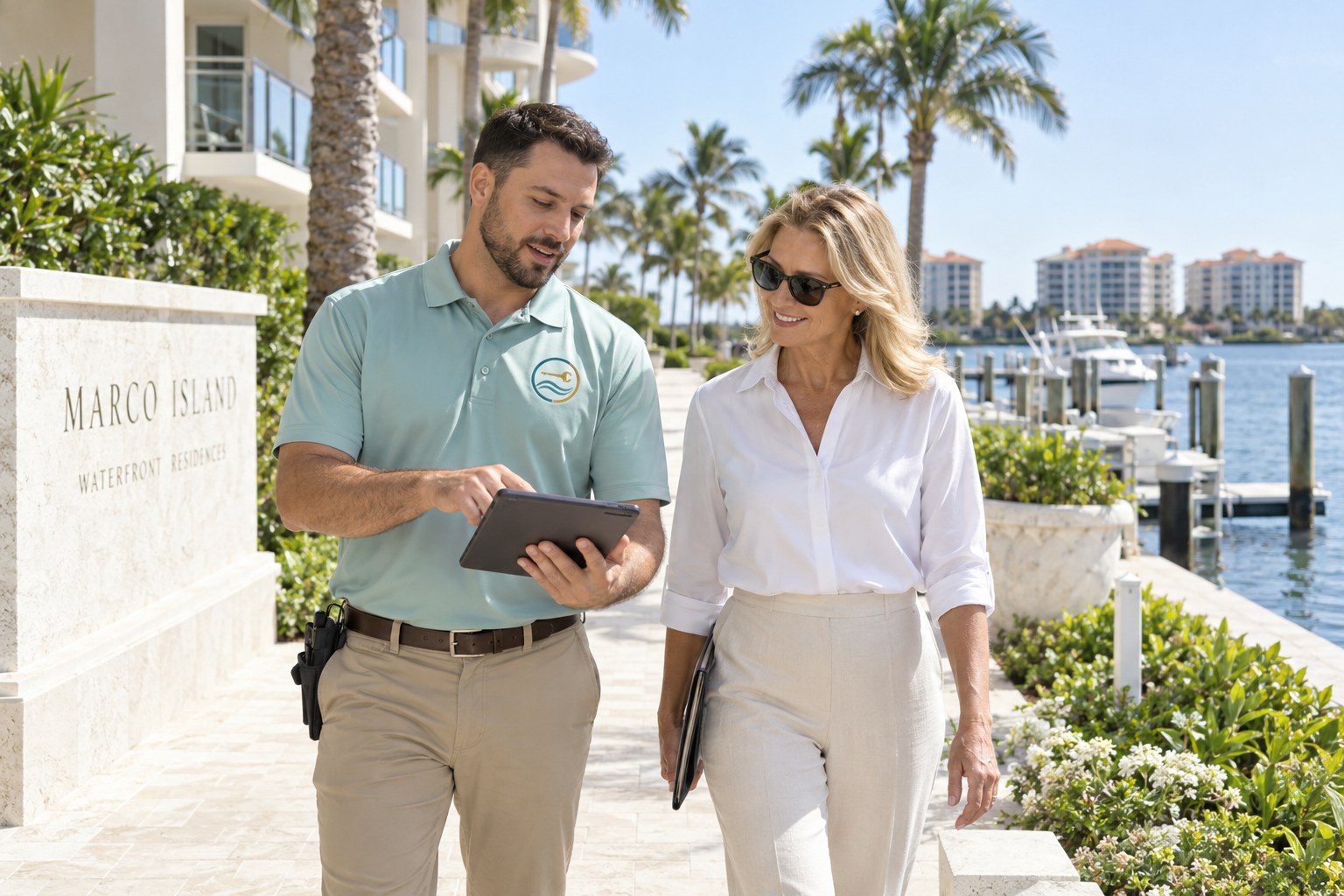
Your questions do not end when the van pulls up. A reputable technician introduces themselves, confirms the business they work for and asks to see proof of your connection to the property before touching the lock. Expect them to look at the lock, describe what they plan to do and restate the cost before beginning.
If anything differs from what you were told on the phone, ask about it right then. Maybe the lock turns out to be a different model, or the damage is worse than described. Changes can be legitimate, but they should be explained, not simply presented. You are always allowed to stop and think, or to decline the work and pay only what was explained for the visit itself.
When the work is done, test it. Lock and unlock the door several times, try every key, and check that the door closes properly. Ask what to do if something does not feel right tomorrow. A technician who stands behind careful work will answer that question openly. Then you can close the door knowing exactly what was done, why, and what it involved.
A short script you can use
If you would rather not improvise, here is a simple script. Say: before you send someone, I would like to know the name of your business, what the service call charge covers, what the work will include, and whether the amount will be confirmed on site before you begin. Then listen. The answers will tell you a great deal, and the tone will tell you more.
Follow with: I will need to show that I am the owner or have authority here, so what should I have ready? That signals you understand the process and you are not asking for anything improper. It also gets the dispatcher to tell you what to prepare, which speeds up the visit and reduces the chance of a wasted trip.
Finally, ask: if the job turns out to be more involved, how will you explain it before starting? You want to hear a technician will pause, explain and wait for your decision. If the dispatcher gives you that answer, you are probably talking to someone who intends to treat you fairly. Call us and ask these questions. We would rather you ask than guess.
Quotes for vehicles and key programming
Car key work has its own set of questions because the price of a job depends on what kind of key the vehicle uses. Some vehicles use a simple metal key, some use a key with a transponder chip inside the head, and some use a smart key or fob that communicates wirelessly. The dispatcher cannot give you a sensible quote without knowing which category you are in, so expect to describe the make and general type of key.
Ask whether the technician can cut and program the key at your location, or whether the job needs a shop visit. Ask what happens if every key to the car is lost, because that situation is different from simply wanting a spare. Ask what ownership paperwork you will need. A responsible locksmith will check that the vehicle is yours before cutting or programming anything, and will say so up front.
Also ask what happens if the programming does not succeed. Occasionally a vehicle or key has an issue that only appears during the procedure. A clear answer explains whether you pay for the attempt, what the next step would be and how the technician will tell you. Hearing this before dispatch means that if a surprise comes, it is not also an argument.
A calm way to end the call
When you have the answers you need, finish the call with a quick summary. Repeat the address, the lock involved, who will meet the technician and what you were told about the service call charge. This takes thirty seconds and gives the dispatcher a chance to correct anything that was misunderstood. It also gives you a clean record of what was agreed.
If you are not satisfied, it is perfectly fine to say that you would like to think about it and call back. Real service does not collapse because you took a few minutes. If you are standing in the heat or the rain, the wait is unpleasant, but a short pause to protect yourself from a poor decision is usually worth it, especially for anything beyond a simple opening.
Last, remember that you can always ask for the technician to explain things again at the door. Your questions on the phone are a first layer. The conversation on site is a second layer. Between them, you should feel fully informed before any lock is touched. If you do not, say so, and take whatever time you need to understand.
Frequently asked questions
Should I get more than one quote?
If time allows, yes. Compare how clearly each business explains the service call charge, the work and the ownership check, not only the numbers. A vague answer from one caller beside a clear answer from another tells you a lot. If you are in a hurry, at least ask the key questions in this guide before agreeing.
Can a locksmith give an exact quote over the phone?
For simple, well-described jobs, a quote by phone is often possible. For complicated ones, a technician visits first and the service call charge is explained plainly before dispatch. A responsible locksmith tells you which kind of job yours is, and explains that the figure will be confirmed again on site before work begins.
Why do you want proof I own the property?
Because opening a lock for the wrong person can cause real harm. For vehicles, homes and businesses, ownership or authority is checked before opening, rekeying or programming. It protects the true owner and you. Have photo identification and something that connects you to the property ready when the technician arrives.
What if the price changes when the technician arrives?
Changes can happen when the lock is more damaged or different from what was described, but they should be explained before any work starts. You have the right to ask why, to decide whether to proceed, and to decline. A technician should wait for your clear agreement before beginning any work on the lock.
Is it rude to ask all these questions?
Not at all. A locksmith who takes the work seriously expects questions and answers them patiently. Asking about the business name, the service call charge and the ownership process shows that you are careful, and careful customers usually get clearer service. If a dispatcher seems annoyed by simple questions, consider calling somewhere else.