
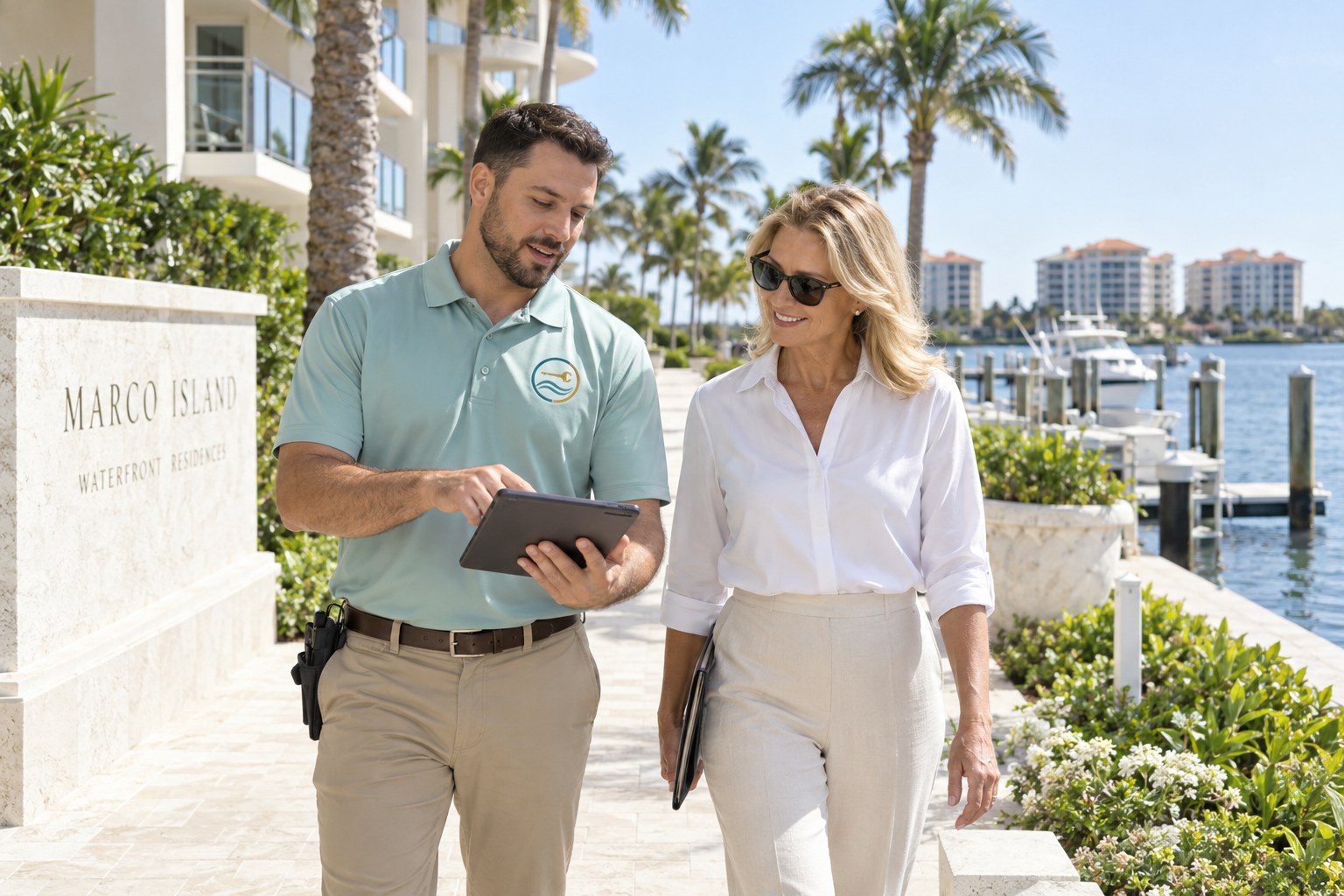
A newly built home feels secure because everything is new, yet the keys to it have passed through many hands before closing day. Builders, trades, inspectors and agents all handled them. This page explains why rekeying after closing makes sense, what builder-grade hardware really is, and how to bring a new home's locks under your control.
Who held keys before you did
From the first day of framing to the final walkthrough, a new house sees a long parade of people. Framers, electricians, plumbers, drywall crews, painters, flooring installers, landscapers, inspectors and sales staff may each have needed access at different times. Builders often use a construction key or a temporary lock set during the work, and then switch to the permanent hardware near the end. Not every transition is tracked as carefully as a homeowner would like.
At closing you receive keys, but you cannot know how many other copies exist. A builder might keep a master key for later service visits, a sales office might keep a spare, and a subcontractor may have copied a key for convenience. None of this implies bad intent. It simply means the number of people who could open your door is unknown, and the only way to turn unknown into known is to change the locks.
That is the core reason we recommend rekeying a new home soon after you take possession. It is the single most useful security step for a newly purchased house, and it is relatively simple. The existing hardware stays in place, a technician changes the internal pin pattern, and you receive fresh keys that only you control.
What builder-grade hardware actually means
Builder-grade hardware is a practical term for entry-level locks chosen to meet cost targets across many houses. They function, they pass inspection and they look decent when new. They are not designed for the toughest use or the longest life, and some have thinner metal, lighter springs and plastic internal parts. Over a few years of Gulf humidity and daily use, the differences become visible.
This does not mean your hardware is bad. Many builder locks work well for years. It does mean you should look at them with an informed eye. A technician can check how the deadbolt is built, how deep the bolt throws, whether the strike plate is a flimsy stamped piece and what screws were used. Often a small upgrade, such as longer screws and a reinforced strike, improves security noticeably.
If you decide to replace the hardware, you have many choices. A better grade of deadbolt, a handle set with a sturdier mechanism, or a smart lock with a keyed override can all fit existing bores. We explain the options by phone, give a quote, and let you decide how far you want to go. Not every home needs the most expensive set, and we are happy to say so.
- Check the length of the screws in each strike plate
- Look for plastic parts in handle sets and latches
- Confirm the bolt extends fully into the frame
- Ask whether the cylinder resists moisture
How rekeying works in a new house
Rekeying is straightforward and quiet. The technician removes the cylinder from the lock, takes out the old pins that match the original key, and installs a new set that fits a different key. Springs and the plug are reassembled, and the new key is cut to match. The whole process takes only a short time per lock, and no part of the door or frame is cut or damaged in any way.
A major benefit is that you can key every exterior door in the house to a single key. Most new homes come with the front door and the back door keyed differently, and the garage entry on yet another pattern. Walking around with three or four keys is clumsy. Keying the doors alike is a simple change that makes daily life easier, and we do it routinely.
You can also decide who gets what. Maybe the family needs keys to every door, while a house cleaner needs only the front. Some locks can be keyed differently to allow that. A technician can talk through the layout, explain how many keys you will need, and set up a system so each person has what they actually require. We confirm ownership with closing paperwork or a similar document first.
Getting your first working set under control
On move-in day, you often find a mismatch. The key for the front door works but sticks. The back door key works only if you jiggle it. The garage key seems to fit but does not turn. Some of these problems come from key blanks that were cut a little off, and some come from latches that never quite aligned during construction. Diagnosing which is which is a quick job for a technician.
We test every key in every lock, working it from inside and outside with the door open and closed. If a lock binds with the door open, the cylinder or latch is the problem. If it binds only when the door is closed, the strike alignment is off. In new homes, frames settle slightly in the first year, which can shift alignment and create minor problems.
Once everything works smoothly, make a small set of labeled keys. One for daily use, one for a family member, one for a trusted neighbor and one kept somewhere safe. Avoid cluttering a keyring with every key from the builder, which tends to include keys for locks you do not own. A clean, deliberate set is easier to manage and to replace.
Door settling, humidity and new-frame movement
New houses are built with lumber and materials that continue to dry, settle and move for months. Doors that closed perfectly in the final walkthrough can rub or drag after a summer of rain and humidity. Strike plates shift out of line, latches stop catching and deadbolts feel stiff. This is normal and is not a sign of poor workmanship, though it can be frustrating.
The fix is usually small. A technician can adjust the strike plate, lengthen the opening a few millimeters, or reposition the plate so it meets the bolt cleanly. Hinge screws may need tightening. If the door has shifted slightly, a small shim behind a hinge can restore alignment. We do not plane or rehang doors, which is carpentry, but we do make the lock work.
If a door sticks in damp weather but works fine in dry weather, that is a clue the wood is swelling. Do not respond by forcing the bolt or spraying oil into the keyway. Call us and describe the pattern. We can often solve it by adjusting hardware, and if the door itself needs planing, we will say so and suggest a carpenter.
Smart locks, keypads and first-year setup
Newly built homes often come with, or are quickly fitted with, keypad deadbolts, smart locks and connected garage openers. These are convenient and popular, and a thoughtful setup avoids frustration. Start by checking that the lock is installed on a properly aligned door. A smart lock fighting a stiff latch drains batteries and fails sooner than it should.
Set up your codes deliberately. Give each person their own, remove old ones when someone no longer needs access, and keep a written note of who has what. Many builders leave a default or sales code in the lock. Delete it. If you are unsure how, call us. We can show you how to wipe and reset the lock, or reset it ourselves.
Always keep a mechanical key as a backup. Batteries die, electronics glitch and software updates occasionally misbehave. A keyed override lets you in regardless. We can install a smart lock, program codes and test the backup key during the same visit. We do not promise any particular product is right for everyone, and we help you choose a sensible setup.
The garage entry and overhead door codes
The garage in a new build is usually a finished space with a keypad or remote-controlled opener, and an interior door to the home. Builders typically set a default code on the keypad or leave remotes programmed. Change them. Anyone who held the original code, including delivery workers or trades who used the garage during construction, may still know it.
The interior door from garage to living space should have a solid deadbolt and be kept locked, especially when the garage door is open for long periods. This is the single most common pattern we see: a family leaves the garage door open while they work in the yard, and the interior door is unlocked. Locking it takes a second and closes an easy opening.
If your garage has a side service door, rekey it with the rest of the house. It is often forgotten, and it is a common entry point. Check the strike and hinges. If your garage door opener needs reprogramming, the manufacturer instructions are the best guide, but we can help with the locking hardware and with practical security habits around the garage.
Sliders, lanai doors and large glass openings
Newer homes often have large glass openings: sliders to a lanai, French doors to a patio, or a pocket slider that disappears into the wall. These look beautiful and let in light. They also challenge security because glass and aluminum frames are not as sturdy as a solid door. Hardware choices make a real difference to how safe such an opening feels.
For sliders, a keyed secondary lock, a security bar and a well-aligned primary latch together form a decent system. For French doors, a multipoint lock or flush bolts at the top and bottom of the inactive door improve strength. A technician can assess your doors and recommend what is practical, without overselling features that do not match your setup.
We also consider safety from inside. A child or an older family member must be able to open the door quickly in an emergency. We choose hardware that is secure from outside yet simple from inside. If your builder installed hardware that is stiff or confusing, we can adjust or replace it so everyone in the home can operate it without trouble.
Moving in with kids, pets and busy schedules
A new family home sees constant motion. Children pull doors shut, pets push open sliders, and visitors come and go. Locks take more abuse than they might in a quiet household. A latch that works fine for two adults may jam when a toddler turns the knob repeatedly. Choosing sturdy hardware and teaching everyone how to use it prevents many lockouts.
Consider where spare keys live. A hidden key under a planter is a common habit, and it is easily found. A better solution is a lockbox with a code, a neighbor you trust, or a keypad lock with a code you can give to family. These alternatives avoid the risk of a visible key and the anxiety of losing the only copy.
If a child locks themselves in a bathroom or bedroom, most interior privacy locks have a small emergency release that can be opened with a thin tool. We can show you how yours works and replace any that are stuck. For lockouts at the front door, we check identification and some link to the address, then open the door without damage in most cases.
Seasonal owners and homes in a growing community
Orangetree and the surrounding area include year-round families and part-year owners. A newer home that sits empty for months deserves a setup that works without daily attention. Test locks before you leave, rekey if keys have wandered, and make sure someone local has access in case of storm checks or maintenance. Rotating codes after each contractor visit is a good habit.
A growing community also means ongoing construction nearby. Contractors move in and out of neighboring lots, and unfamiliar vehicles are common. We cannot comment on any particular street, and we do not make claims about crime. What we can say is that sensible locks, good lighting and attentive neighbors form a reasonable base for any home, new or old.
If you are buying or building, plan lock work as part of your move-in list, right alongside utilities and internet. A technician can visit before you move furniture in, rekey the doors, check the smart locks and make sure every key works. Call us to confirm availability a week or so before your closing date, and we will plan a visit that fits.
Mailbox keys, utility closets and the paperwork pile
Closing day produces a stack of papers and a fistful of small keys, and it is easy to lose track of what opens what. Along with the front door set you may receive a mailbox key, a key for a utility or irrigation closet, and perhaps a small key for a community amenity gate. Label each of them with a marker or a paper tag while the memory is fresh, and store the spares together in a safe place.
Mailbox locks in many communities are managed by the postal service or by the association, so changing them is not always allowed. If your mailbox key is missing, contact the right party first. Where the lock is yours to change, a technician can replace the cylinder. We do not tamper with anything controlled by the postal service, and we say so plainly when a request falls outside our work.
Keep a simple written list of every key you own and what it opens. Photograph it and keep the photo in a place only you can reach. When something goes wrong, whether a lost key or a failing lock, you will know exactly what to describe on the phone, and we can give a clearer quote and bring the right parts on the first visit.
What to have ready when you call
To make the visit smooth, gather a few things. You will need identification and proof that you own or are authorized to manage the home, such as closing paperwork, a lease or a letter from the owner. Know how many exterior doors you have, which ones you want rekeyed and whether you want them to share a key.
Tell us about any electronic locks and their brands, and whether you have the original paperwork. If there are stuck doors or alignment problems, point them out at the start. A technician will test each lock and key, adjust where needed, and explain what was done. Quotes for straightforward jobs are given by phone, so you know the plan before anyone arrives.
If the job is complicated, a technician visits first, and the service call charge is explained before dispatch. We always ask you to call and confirm availability, because schedules shift. After the work, you will have a clean, tested set of keys and a lock system that you control, which is a sensible foundation for the years ahead.
Frequently asked questions
Why should I rekey a brand new house?
Builders, trades, inspectors and sales staff may all have handled keys before closing, and you cannot know how many copies exist. Rekeying changes the internal pattern so old keys stop working. The existing locks stay on the doors, and you receive new keys only you control.
Can all my exterior doors share one key?
Usually yes. A technician rekeys the cylinders to one pattern, so a single key opens the front, back and garage entry doors. If you want certain doors on a different key, such as for a cleaner, that can be arranged as well.
Do I need to replace builder-grade locks?
Not necessarily. Many work well for years. A technician can inspect the bolt, strike and screws and recommend upgrades only where they matter, such as longer strike screws or a sturdier deadbolt. We give an honest opinion and let you decide.
My new door sticks in humid weather. Is the lock bad?
Often the frame is settling or swelling, which shifts the strike out of line. We can adjust the strike and tighten hinges. If the door needs planing, that is carpentry, and we will say so. Please do not force the bolt or spray oil into the keyway.
How do I get a quote and availability?
Call us with the number of doors and any electronic locks. Straightforward jobs are quoted by phone. If the job is complicated, a technician visits first, and the service call charge is explained before dispatch. Please call to confirm availability for your date.