
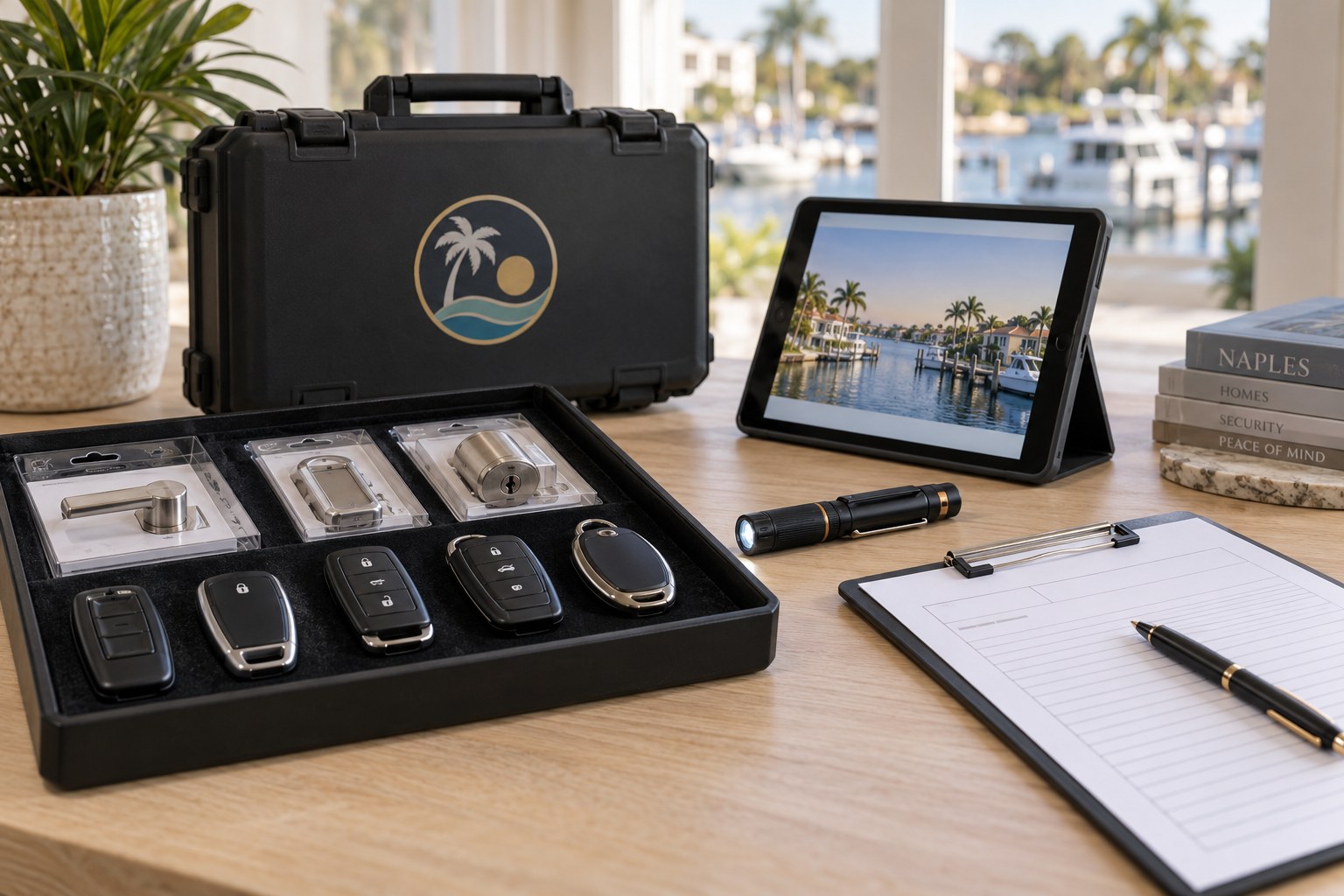
The gap between one tenant leaving and the next arriving is the cleanest chance a landlord gets to reset security. Every key that was handed out, copied or quietly lost can be made useless in a single visit. This page walks through what the work involves, how we confirm authority, and how to end up with one tidy key set for the whole unit.
Why Turnover Is the Right Moment to Change Locks
While a tenant lives in a unit, the locks belong to their daily routine and a landlord rarely touches them. When the tenant leaves, the situation reverses. You now have an empty home and no real way to know how many keys exist. The tenant may have had copies cut for a partner, a relative, a roommate who moved out earlier, or a friend who helped with a move. Returning the keys you were handed proves nothing about the keys you were not handed.
That is why turnover is the natural point to rekey or replace. The unit is empty, nobody is inconvenienced, and the new tenant begins with a lock that only the new key set opens. Many landlords treat it as a routine part of preparing the unit, alongside cleaning and touch up paint, because it protects both the property and the incoming tenant who deserves to know old keys are dead.
Waiting until a problem appears is the expensive way to learn the lesson. A burglary, a dispute or a damaged unit is hard to untangle when a former tenant still has working access. A scheduled lock reset between tenants removes that whole category of worry before it can start, and it takes far less effort than most people expect.
Confirming You Have the Authority to Change the Locks
Before any lock is touched, the locksmith needs to be sure the person asking has the right to make the change. That usually means the owner of the property, a property manager acting for the owner, or someone who can show they hold authority over the unit. We ask a few plain questions and may request a document such as a lease, a management agreement or a utility bill that connects you to the address.
This is not paperwork for its own sake. A locksmith who rekeys the wrong door because someone simply said it was theirs could lock a rightful tenant out of their own home. Checking authority protects the people living in or owning the property, and it protects you too, because the work is documented as properly requested.
If the tenant has not actually moved out, or the lease is still running, the situation changes. Local rules about landlord access, notice and lock changes apply, and a locksmith cannot override them. We suggest confirming the move out is complete, with keys returned or the tenancy formally ended, before scheduling. If you are unsure, call us and describe the situation, and we will tell you plainly what we can and cannot do.
Rekey or Replace: Choosing the Right Level of Work
Rekeying keeps the existing hardware and changes the internal pins so a new key operates it and the old keys do not. It is usually the sensible choice when the locks are in good condition, because you keep matching finishes and avoid the cost of new parts. The technician removes the cylinder, resets the pins to a new pattern and tests the result with fresh keys.
Replacement makes sense when the hardware is worn, damaged, loose in the door, or simply outdated. A deadbolt that sticks in the humid Gulf air, a knob that wobbles, or a latch that no longer lines up are signs that rekeying would only polish a tired lock. Fresh hardware also gives you the chance to upgrade, for instance to a stronger strike plate or a better rated deadbolt.
The technician will look at each door before recommending anything. Some units have a mix: a solid deadbolt on the front that rekeys well, and a worn patio lock that deserves replacement. We explain the options by phone first and give a quote for straightforward work before anything is scheduled, so there are no surprises when the technician arrives at the property.
One Key for Every Door in the Unit
Tenants appreciate a key set that simply works. Having one key for the front door, another for the patio, a third for a storage closet and a fourth for a mailbox is a small daily annoyance that a locksmith can often remove. Rekeying the cylinders to a single pattern, known as keying alike, lets one key operate every door that is part of the unit.
The technician works through each lock, checks that the brand and cylinder type allow it, and pins them to the same new cut. Some hardware from different manufacturers will not match, and in that case a cylinder may need to be swapped for one that does. We tell you which doors are straightforward and which need a replacement part before work begins.
A matched set also helps the landlord. You carry fewer keys, labeling is simpler, and a lost key is easier to reason about. Keep a master copy locked away rather than in a drawer anyone can open, and number the spare keys so you know how many exist. It is a small habit that pays off the next time a tenancy ends.
- Front entry deadbolt and handle set
- Patio, lanai or sliding door lock where hardware allows
- Garage entry door, storage closet and utility room
- Mailbox lock only if you control it, not the association
What to Do About Keys the Tenant Never Returned
It happens often. The tenant hands over a front door key and a mailbox key but swears the spare is somewhere in a moving box. Or a key was never returned because a former roommate took it. The landlord is left with an unknown, and the cleanest way to resolve it is to make every missing key irrelevant by changing the lock.
Treat the situation calmly and keep it in writing. A short message noting which keys were returned and which are unaccounted for gives you a record. Whether you can recover a cost from the former tenant is a matter for your lease and local rules, not for the locksmith, but a clear record helps if the question arises later.
Do not ask the tenant to simply promise they did not copy the key. People are usually honest, but a promise is not a security measure. The technician rekeys the lock, hands you fresh keys, and the question of copies stops mattering. The incoming tenant benefits too, because they are not living behind a door that former occupants can still open.
Checking the Condition of Each Door While We Are There
A locksmith visiting between tenants sees things a landlord can miss. A strike plate held with short screws that barely grip the frame, a deadbolt whose throw is too short, or a door that has dropped so the latch scrapes all speak to security weaknesses. Cheap fixes during turnover are far better than learning about them after a break in.
The technician also checks smaller details. Does the deadbolt throw fully into the frame? Does the lock turn without effort or grinding? Are there loose screws on the escutcheon? Does the door close and latch without being pushed? Gulf humidity swells wood and corrodes metal, so older units often hide slow damage that a brief inspection can catch.
We report what we find in plain language and let you decide what to do. Some items are quick adjustments made on the spot, such as realigning a strike or swapping in longer screws. Others, like a damaged jamb or a door that is truly warped, may call for a carpenter, and we say so honestly rather than selling a lock to fix a carpentry problem.
Smart Locks and Keypads for Rentals
Many landlords wonder whether a keypad lock would end the key problem altogether. In some cases it does help. A code can be changed without cutting new keys, and one lock serves each tenant in turn. Between tenants, you simply erase the old code, which can be much easier than rekeying a traditional cylinder.
There are tradeoffs. A keypad depends on batteries and electronics that can fail, particularly in warm, salty, humid conditions. A tenant may share a code as freely as a physical key. And some leases or condo associations restrict what hardware can be installed. A good installation retains a physical key override so a dead battery never leaves anyone outside.
If you are curious, call us and describe the unit. We can talk through whether electronic hardware suits it, how it would fit the door, and what upkeep it needs. For some landlords the simplest answer is a quality rekeyed deadbolt and a tidy key set, and there is no shame in the traditional route when it fits the property.
Condos, Gated Communities and Association Rules
Naples and Collier County have many condominiums and planned communities where lock changes are not entirely the owner's decision. An association may require that exterior door hardware match a standard, that a copy of the key or code be on file, or that notice be given before any work at the entry. High-rise buildings add fire rated door requirements that limit what can be installed.
Before scheduling, check your governing documents or ask the management office what applies. Telling the locksmith up front lets the technician bring suitable hardware and avoid a second trip. If an association keeps a master key, a rekey may need to coordinate with them so the building remains accessible in an emergency.
Gated communities add another layer, since gate access, fobs and guest lists are separate from the unit lock. Remember to update those when a tenant leaves, because a working gate credential can matter as much as a door key. We focus on the door, but we are glad to remind you of the loose ends so the turnover is complete.
Keeping a Key Record That Prevents the Next Scramble
After the work, spend ten minutes on a record. Note the date of the rekey, how many keys were cut, who received them, and where the spare is stored. Add photos of the doors and any notes the technician gave you. A simple page in a folder or a shared file is enough for a single unit, and a spreadsheet works well for several.
When the next tenant moves in, hand over the key set and have them confirm in writing the number received. At move out, count again. If a key is missing, you have a clear starting point rather than a vague memory. The record turns a recurring headache into a short checklist.
Owners with several rentals often find that consistent systems save the most time. Using the same lock brand and a consistent labeling scheme lets a technician work faster and reduces the chance of mixing up keys. Ask us during a visit if standardizing across your properties makes sense, and we will share what we have seen work without any pressure to commit.
Seasonal Tenants and the Winter Rental Calendar
Naples runs on seasons. Many rentals fill from late autumn through spring with winter residents, then sit empty or turn to shorter stays through the hot, rainy months. That calendar shapes when turnover happens, and it shapes how a landlord should think about locks. A unit that changes hands at the start of the season deserves a fresh key set before the first guests unpack, not after the first complaint.
Short and mid length tenancies multiply the key question. A unit that hosts four different households in a year can accumulate a surprising number of copies if nothing is ever reset. Some owners settle on rekeying once at the start of each season and again at the end, which keeps the number of live keys predictable. Others rely on keypads that can be recoded in a minute.
Plan the work around vacancies. A technician can usually finish a full unit in a single visit, so the best window is the quiet gap between checkout and the next arrival, when the cleaners have finished and nobody is waiting at the door. Call us ahead and tell us the dates, and we can confirm availability for that gap instead of squeezing the job in when guests are on the way.
Mistakes Landlords Make With Keys and Locks
The most common mistake is trusting the returned key ring. A tenant hands back what they remember, the landlord feels reassured, and nobody counts. The second is delaying the rekey until the next tenant has already moved in, which makes scheduling awkward and leaves the new household behind a lock that other people can open. Both are easy to avoid with a simple turnover checklist.
Another mistake is buying cheap hardware to save money on a single door while leaving others in poor shape. A strong deadbolt on a weak frame, or a good front lock beside a flimsy patio latch, gives a false sense of security. A thief looks for the easiest door, not the best one, so every entry deserves some attention.
A final mistake is keeping no record. When a dispute or a break in happens, landlords who can show when locks were changed and who received keys are in a far stronger position than those who cannot. The paperwork takes minutes, and it also helps a technician understand quickly what is installed when you call us for help later on.
Getting the Work Scheduled Smoothly
Start with a phone call. Tell us the number of doors, the type of locks, and whether the unit is a house, a condo or a townhome. We will explain how the visit would go and give a quote by phone for straightforward rekeying. Call us to confirm availability for the day you need the unit ready.
If the situation is more involved, such as damaged hardware, a door that will not close, or an unknown lock type, a technician visits first and the service call charge is explained before dispatch. You then decide whether to proceed with full knowledge of what the work involves.
On the day, someone should be available to confirm authority and walk the doors with the technician. When the work finishes, test every key in every lock yourself before the technician leaves, and keep the spares in a safe place. A few minutes of checking at the door saves far longer on the phone later.
Frequently asked questions
Do I need to rekey every time a tenant leaves?
Nothing requires it everywhere, but it is the most reliable way to be sure old keys no longer work. Because you cannot know whether copies were made, many landlords rekey at each turnover. Call us to talk through your situation and the right level of work for your doors.
Can the locksmith change locks while the tenant is still living there?
That depends on your lease and local rules about landlord access, which a locksmith cannot override. We ask you to confirm the tenancy has ended and keys have been returned or are accounted for before we schedule. If you are unsure, call us and we will explain what we can do.
What proof of authority will you ask for?
We check that you are the owner or a manager acting for the owner. That may be a lease, a management agreement, a utility bill or a similar document connecting you to the address. It exists to protect rightful occupants from someone opening the wrong door.
Can all the doors use the same key?
Often yes. Rekeying the cylinders to one pattern lets a single key work the front, patio and other doors that are part of the unit, provided the hardware allows it. The technician checks each lock and tells you which need a replacement cylinder.
How is the price decided?
Straightforward rekeying is quoted by phone after you describe the doors. If the job looks complicated, a technician visits first and the service call charge is explained before dispatch, so you understand what is involved before agreeing to anything.