
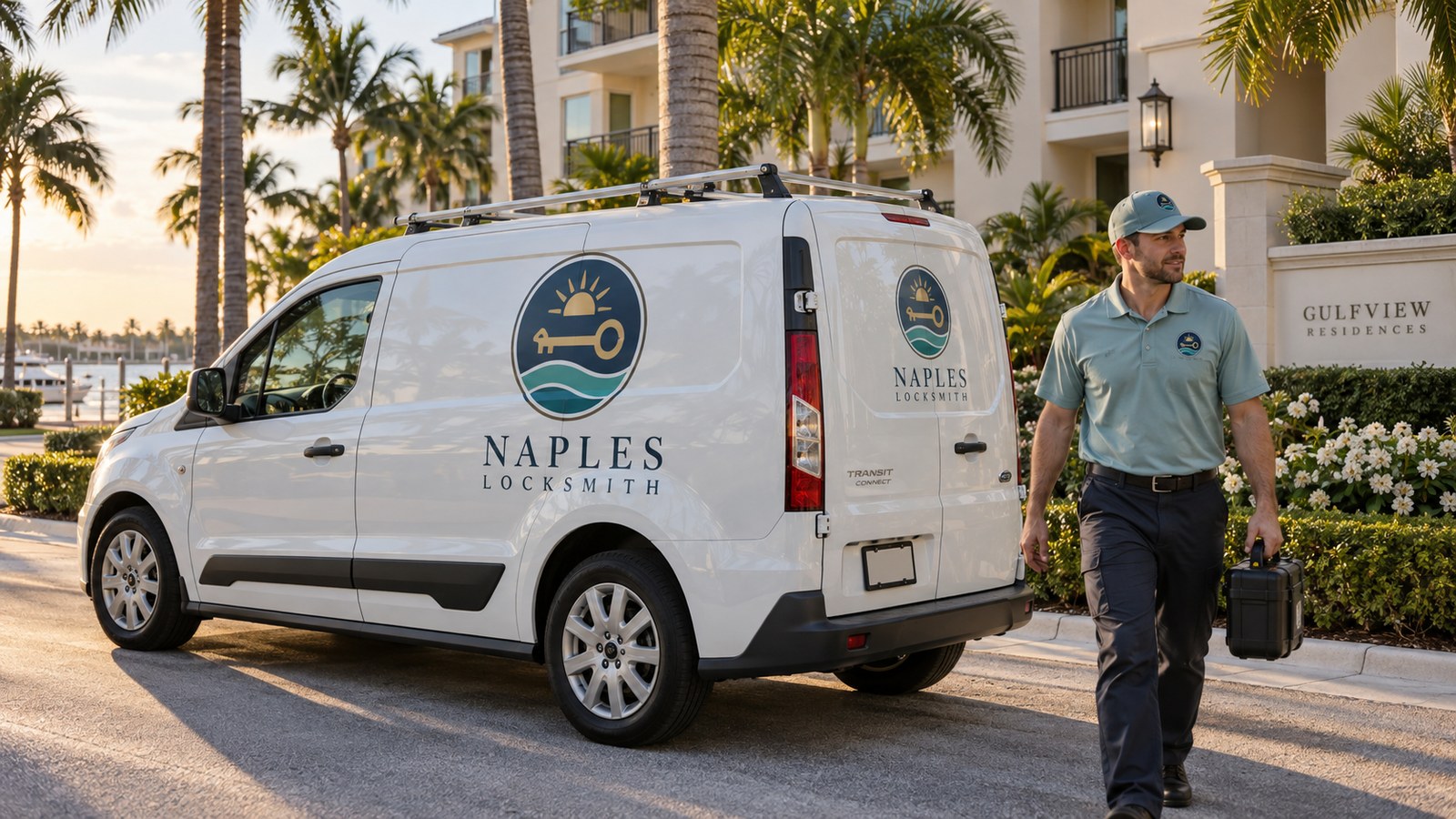
Every neighborhood clubhouse has the same quiet problem. A four-digit code was set years ago, shared with a handful of residents, and then shared again until half the street, the pool service and a few former tenants all know it. This page explains how a code is reset properly, how to schedule the change so residents are not caught out, and how a community can keep the next code from spreading just as widely.
How a shared code becomes everyone's code
A keypad code is the easiest kind of access to hand out and the hardest to take back. Telling a friend the number takes five seconds. There is no key to cut, no sign-out sheet and no physical object to return. In a community of a few hundred households, that convenience multiplies. Residents tell their guests, guests tell their cousins, a cleaning crew tells the next crew, and a code meant for owners reaches people nobody on the board has ever met.
Time makes it worse. A code that never changes belongs to everyone who has ever lived, rented or worked in the community. Tenants move out and keep the number in their memory. Contractors who finished a project last year still know it. Seasonal residents who returned north remember it perfectly well. None of this is sinister, but it means the code no longer controls anything.
Boards often notice the problem only when something happens: a fitness room is left in a mess, equipment goes missing, or a stranger is seen using the clubhouse. At that point, the instinct is to change the code immediately. That is a sound instinct, and a locksmith can do it quickly, but a planned change that residents understand works much better than a sudden one that leaves people locked out and confused.
What a keypad lock actually stores
Most clubhouse keypads are electronic deadbolts or lever locks mounted on a door. Inside, a small circuit board stores one or more user codes, and a motor moves the bolt when a correct code is entered. Some models allow many codes at once, each with its own label or schedule. Others store a single master code that opens the door for everyone. Knowing which kind you have shapes how the reset is done.
A multi-code lock lets the board give each group its own number. The fitness room code might differ from the meeting room code, and the pool deck code might differ again. A single-code lock is simpler but less flexible. Many locks also have a programming code, sometimes called a master code, which is used to add or delete user codes. That master code must be protected and known to very few people.
Most keypad locks also have a physical key override, hidden behind a cover or built into the handle. This is the backup for dead batteries or electronic failure. The key should be kept by the board or the manager, not hung on a hook where residents can reach it. We will check that the override works during the visit, because a keypad with a failed override and a dead battery is a locked door nobody can open.
Planning the reset before the day arrives
A good reset starts with decisions, not tools. First, decide who should have access going forward. Is it every resident, only owners, or owners and long-term tenants? Are guests permitted when accompanied? Second, decide how many codes you want: one for the whole community, or separate ones for different rooms or groups. Third, decide how often codes will change, such as every quarter, every season or after every board election.
Next, pick the date. Choose a time when the clubhouse is least in use, such as a weekday morning, and give residents notice. A reset on a Saturday before a community party creates unnecessary friction. Call us to confirm availability for the date you prefer. Quotes are given by phone, and a technician can plan the visit around events on your community calendar.
Finally, agree on who is responsible. The board president, the property manager or a designated committee member should be the one who receives the new code from the technician and carries out the announcement. It helps to name a backup in case that person is unavailable. A clear owner for the process prevents the code from being scribbled on a note, passed around in an email thread and back where you started.
Choosing a code that is hard to guess but easy to live with
Codes that can be remembered easily are often codes that can be guessed easily. Avoid obvious sequences like 1234, repeated digits, the year the community was built or the street number of the clubhouse. These are the first guesses of anyone trying to get in. A random-looking number that is not tied to anything public is a better choice, and a longer code, where the lock allows it, is better still.
At the same time, a code that is too hard to remember gets written down, often right on the door frame or in a shared chat. If residents will use the clubhouse daily, aim for something that can be typed from memory after a few tries. One practical method is to build the code from a short phrase on a phone keypad, so it feels natural to type but does not appear in any obvious list.
We recommend that the technician set the new code and the board record it in a secure place. Do not email it in plain text to every resident without thinking about where those emails end up. Share it in a way that matches how your community communicates, whether that is a printed notice delivered to mailboxes, a message through the management portal or a talk at the next meeting.
Scheduling changes so residents are not stranded
Nothing generates complaints faster than a code that changed without warning. Residents arrive for an early workout, punch in the number they know and the door stays shut. A simple schedule prevents that. Announce the change a week or so ahead, state the exact date and time it takes effect and explain where the new code can be found. A short, clear message avoids a flood of phone calls.
Some communities run the old and new codes together for a short overlap, which is possible on a multi-code lock. The new code is distributed, residents have a few days to switch, and then the old one is deleted. This eases the transition, though it also leaves the old code active a bit longer, so keep the overlap brief. If the lock supports scheduled codes, the technician can set an automatic end date for the old one.
Also think about the exceptions. Some residents rely on the clubhouse for medical reasons, such as using the fitness room as part of physical therapy. Some staff, like the pool service or cleaners, need access at certain hours. Make sure the plan covers them. A short list of special arrangements, kept by the manager, prevents the board from solving one problem and creating another.
Announcing the new code to residents
How you announce the code is as important as the code itself. The notice should say what is changing, why, when and how to find the new number. Keep the tone friendly and avoid blame. Something like: the clubhouse code is being refreshed as routine upkeep, and here is how to get the new one. People respond better to an explanation than to a sudden restriction.
Consider verifying residents before sharing the code. A common approach is to make the code available only at the management office, through a resident portal or by request with proof of residence. This prevents the code from being posted publicly in a group chat or on a community bulletin board visible to visitors. It adds a small step, but the step is the point.
Remind residents of the rules gently. The code is for residents, guests should be accompanied, and the code should not be written on the door or shared with outside contractors. If a vendor needs access, the manager can arrange a temporary arrangement. Most residents are happy to follow simple guidelines when they understand that the goal is to keep shared spaces pleasant and safe for everyone.
Batteries, weather and the Florida factor
Keypad locks in coastal Southwest Florida live in a demanding setting. Humidity creeps into housings, salt air corrodes contacts and heat shortens battery life. A clubhouse door that gets full afternoon sun can run hot enough to wear out batteries faster than the label suggests. A lock that seems fine in winter may become unreliable by late summer.
Regular maintenance prevents most problems. Replace batteries on a schedule instead of waiting for the low-battery warning. Clean the keypad face and check that the buttons respond evenly. Inspect the door edge and the strike plate for corrosion. Apply a lubricant suited to outdoor hardware where recommended by the manufacturer. A quick seasonal check, ideally before hurricane season, catches most trouble.
Storms are another factor. A power outage should not lock residents out of an evacuation shelter or storm meeting room, and battery-powered locks continue to work during outages, which is a benefit. Water intrusion during heavy rain, however, can damage electronics. If your clubhouse door faces driving rain, a weather shield or a more robust, outdoor-rated model may be worth discussing with us.
Fitness rooms, meeting rooms and different needs
Not every room in a clubhouse needs the same level of control. A fitness room, which contains equipment and sees solitary users at odd hours, may deserve its own code and perhaps a camera. A meeting room used by the board and committees might need a code limited to a small group. A community kitchen could use a scheduled code that is only active during booked events.
Locks with audit features, which record which code was used and when, add a layer of accountability. They do not identify a person by name, but when each household has its own code, the log shows which code opened the door at a given time. This can help resolve a dispute about damage or misuse. It also raises privacy questions, so the board should decide how the log will be used.
Individual household codes, where the lock supports them, solve the spread problem elegantly. If a household moves out or an owner sells, that code is deleted and nothing else changes. The tradeoff is the administrative work of assigning and tracking codes. For larger communities, that work belongs with the management office. We can set up the structure and show the manager how to maintain it.
Vendors, renters and vacation guests
Every community has people who need access but are not owners. The pool service arrives weekly, a landscaper might need the equipment shed, and a rental tenant uses the fitness room for a year. Handing each of them the permanent resident code is the quickest way to undo a reset. A better plan gives them their own codes, where the lock allows, or a temporary arrangement that expires.
For vendors, the manager can set a code tied to a contract period and delete it when the contract ends. Some locks allow codes to be active only on certain days and hours, which fits a weekly service neatly. If your lock does not support scheduling, the manager can keep a written reminder to delete the code on a set date. The reminder is cheap, and it prevents the slow buildup of forgotten codes.
Renters and vacation guests are trickier because owners often rent without telling the board. Many associations require owners to register tenants, and a registered tenant receives access through the office. Owners of short-term rentals should understand the community's rules before sharing the clubhouse code with guests. A polite reminder in the lease or welcome packet that the code is not to be passed on is a useful start.
If a community has a heavy seasonal rhythm, consider timing code changes to match. A fresh code at the start of the winter season, when owners and renters return, and another at the end of spring, as many head north, keeps the circle of people who know it close to the people who actually live there. It becomes a predictable ritual, and residents come to expect it rather than resent it.
Authority, records and keeping the board informed
Before we change a clubhouse code, we confirm that the person asking has the authority to approve it. That is usually a board officer, the community manager or a designated committee chair. We may ask for a note from the board or a call to the management office. This is not suspicion; it protects the community from changes made by someone with no right to make them.
We also keep records. After the visit, we can provide a summary of what was done: which locks were reprogrammed, how many codes exist, and whether the override key was tested. The board should store this with community records. When leadership changes, the new officers will know what was done and how, instead of having to rediscover it.
Think of the code as a shared asset the board manages on residents' behalf. Review it on a regular schedule. Change it when a trusted employee leaves, when a contractor finishes, or when you notice the number is spreading. A modest, predictable routine, communicated clearly, keeps the clubhouse a place residents can rely on. Call us to talk through your lock model and to plan a reset that suits your community.
When the keypad is failing, not just outdated
Sometimes the code is not the only problem. The lock may be showing its age: buttons that stick, a motor that struggles, a bolt that does not fully extend or a keypad that has faded from sun. Resetting the code on a failing lock is a short-term fix. A technician can assess the condition and tell you honestly whether the lock has years left or whether replacement makes sense.
Replacement is not always an upgrade in capability. Sometimes the best choice is a similar model that matches the existing door preparation, so installation is simple and the door is not damaged. In other cases, switching to a different type, such as a keypad with a mechanical code lock that needs no batteries, solves recurring battery trouble. We discuss the choices by phone and recommend what fits your door.
Quotes are given by phone based on what you describe. If the situation is complicated, a technician visits and the service call charge is explained before dispatch. Nothing is replaced without the authorized board member or manager approving the plan. The goal is a lock that works every day, a code that the community can trust and a process the board can repeat without stress.
Frequently asked questions
Can you reset a clubhouse keypad code on the same visit?
Usually yes, once we confirm authority and identify the lock model. Resetting is typically quick. For older or unusual locks, we may need to check the programming method first. Please call to confirm availability and describe the lock you have.
Who can approve a code change for the HOA?
A board officer, the community manager or a designated committee chair. We confirm authority before starting and may ask for a note from the board or a call to the management office.
How should we tell residents about the new code?
Give notice about a week ahead with the date and where to get the new code. Distributing it through the office or a resident portal, rather than posting it publicly, keeps it from spreading again.
Can each household have its own code?
On many multi-code locks, yes. Individual codes can be deleted when a household leaves without changing everyone else's. It takes administrative work to track them, so larger communities usually assign that job to the management office.
What if the keypad lock is failing?
We assess the condition and tell you whether it can be reset or should be replaced. Replacement is discussed by phone first, and complicated cases begin with a technician visit, with the service call charge explained before dispatch.